Whether you’re a seasoned developer or a budding indie studio, partnering with Inventive Studio ensures that your game prototyping receives the attention to detail and expertise it deserves, setting the stage for success in the competitive world of game development.
Journey of Game Development
In the dynamic realm of game development, the journey from concept to a fully-fledged game is paved with creativity, technical challenges, and countless decisions. Among these crucial steps lies game prototyping, an indispensable phase cornerstone of a game’s development cycle. In this blog, we delve into the significance of game prototyping, its various types, essential tips, common pitfalls to avoid, and the tools and techniques that aid in this process.
Meaning of Game Prototyping

Game prototyping is creating preliminary versions of a game to explore its core mechanics, test ideas, and validate concepts before committing extensive resources to full-scale development. It involves building simplified versions of gameplay elements, user interfaces, and visual styles to assess their feasibility and appeal.
Significance of Game Prototyping:
Communication Tool: Prototypes serve as a tangible representation of the game vision, making it easier for developers to communicate their ideas to stakeholders, team members, and potential investors.
Idea Validation: Prototyping allows developers to quickly test the viability of game concepts and mechanics, helping them determine whether an idea is worth pursuing further.
Iterative Design: Prototyping facilitates an iterative design approach, wherein developers can experiment with different ideas, gather feedback, and refine their game mechanics iteratively, leading to a more polished final product.
Risk Mitigation: By identifying potential flaws and challenges early in the development process, prototypes enable developers to address issues before they escalate, reducing the risk of costly mistakes later on.
User Experience Testing: Prototypes provide an opportunity to evaluate the user experience (UX) and user interface (UI) design, ensuring that gameplay elements are intuitive and engaging for players.
Kinds of Game Prototypes:
Proof of Concept: Demonstrates the core gameplay mechanics and key features of the game.
Vertical Slice: A more advanced prototype that includes a small portion of all game elements, providing a comprehensive overview of the final product.
Paper Prototypes: Low-fidelity prototypes created using pen-and-paper or digital tools to quickly iterate on game ideas and mechanics.
Digital Prototypes: Higher-fidelity prototypes developed using game engines or prototyping software to create interactive experiences for testing and feedback.
Tips and Tricks for Game Prototypes
Focus on Core Mechanics: Prioritize prototyping essential gameplay mechanics to ensure they are enjoyable and well-balanced.
Seek Feedback Early: Gather feedback from playtesters and stakeholders at every stage of prototyping to identify strengths, weaknesses, and areas for improvement.
Keep it Simple: Avoid adding unnecessary features or complexities during the prototyping phase, as it can lead to scope creep and hinder progress.
Iterate Often: Embrace an iterative approach by continuously refining and iterating on prototypes based on feedback and testing results.
Document Everything: Keep detailed documentation of design decisions, feedback received, and changes made during the prototyping process for reference.
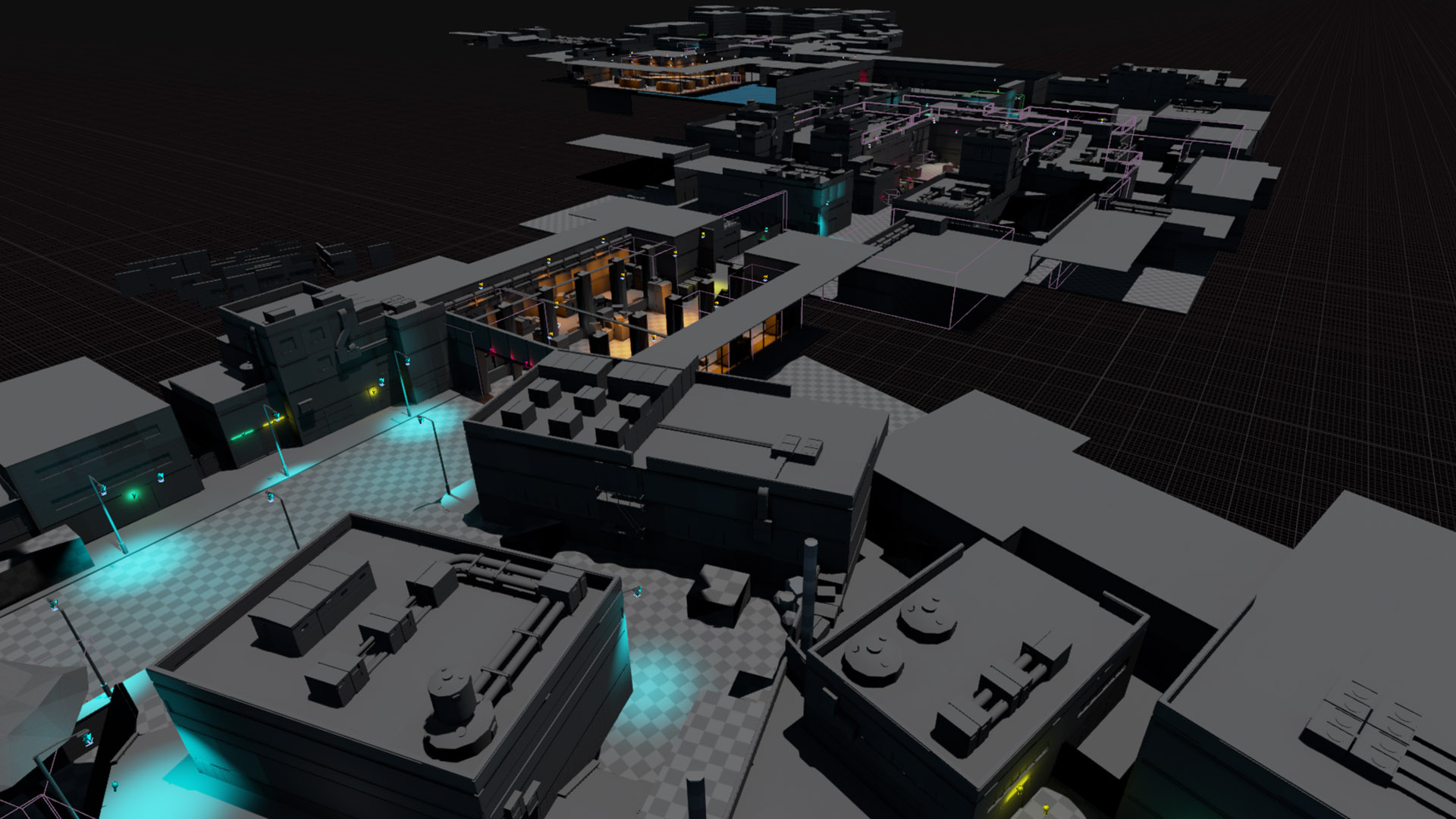
Blunders to Avoid While Building Game Prototypes
Over-Engineering: Avoid investing too much time and resources into refining details during the early stages of prototyping, as priorities may shift as the project progresses.
Ignoring Feedback: Disregarding feedback from playtesters and stakeholders can lead to missed opportunities for improvement and potential design flaws.
Lack of Clear Objectives: Ensure that each prototype has clear objectives and goals to guide the development process and evaluation criteria.
Neglecting User Experience: Focusing solely on mechanics without considering the overall user experience can result in a game that is challenging to navigate or lacks engagement.
Rushing the Process: Rushing through the prototyping phase can lead to overlooked issues and missed opportunities for innovation and refinement.
Tools, Tips, and Techniques for Game Prototyping:
Game Engines: Unity, Unreal Engine, and GameMaker Studio are popular game engines that offer robust prototyping capabilities.
Prototyping Software: Tools like Adobe XD, Sketch, and Figma are excellent for creating UI/UX prototypes and wireframes.
Version Control: Utilize version control systems like Git to manage changes and collaborate effectively with team members.
Playtesting Platforms: Platforms like PlaytestCloud and UserTesting allow developers to gather valuable feedback from real players.
Bottom Line:
In the competitive landscape of game development, prototyping serves as a vital catalyst for innovation, risk reduction, and user-centered design. By embracing prototyping as an integral part of the development process, game developers can increase their chances of creating compelling and successful games that resonate with players.
Why Inventive Studio:
At Inventive Studio, we understand the importance of prototyping in game development. Our experienced team leverages cutting-edge tools and techniques to create immersive and engaging prototypes that lay the foundation for exceptional gaming experiences. From concept validation to iterative design, we are committed to helping our clients bring their game ideas to life with precision and creativity.